
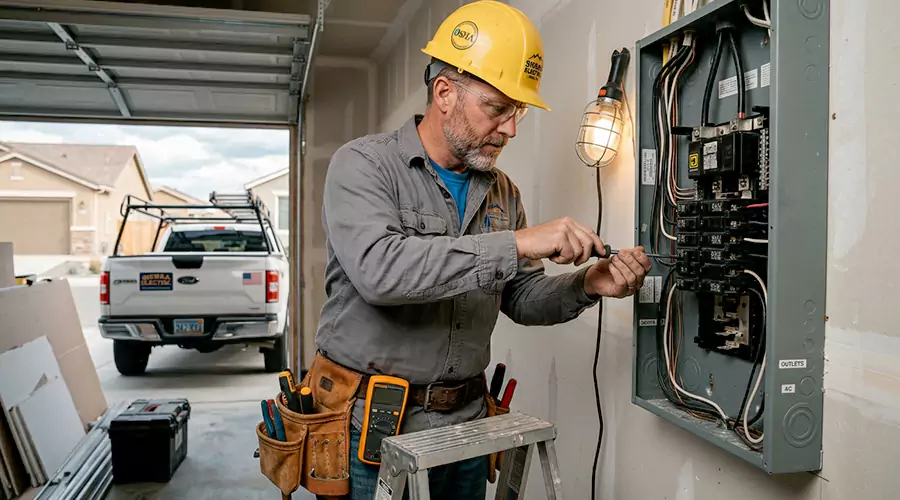
A circuit breaker that keeps tripping means your electrical system is detecting a problem and shutting off power to prevent damage or fire. This usually happens when a circuit is overloaded or when there is a short circuit or ground fault. Overloaded circuits occur when too many devices draw power at the same time. Short circuits and ground faults happen when wiring is damaged or unsafe. In some cases, a worn or faulty breaker may no longer function properly and require circuit breaker replacement to restore safe operation. Repeated tripping should not be ignored because it signals a real safety issue. Identifying the cause early helps prevent electrical hazards and ensures your system operates safely and reliably.
What a Circuit Breaker Does in Your Home
A circuit breaker protects your home by stopping the flow of electricity when a circuit becomes unsafe. It acts as a safety switch that prevents wires from overheating and causing damage.
How Circuit Breakers Protect Electrical Systems
Circuit breakers monitor the amount of electricity flowing through a circuit. When the current exceeds safe levels, the breaker trips and cuts power. This action prevents damage to wiring and reduces fire risk.
Why Circuit Breakers Trip Frequently
Frequent tripping is not normal and usually points to an underlying electrical issue. Identifying the cause is the first step toward a proper fix.
Common Reasons a Breaker Trips
- Circuits are overloaded with too many devices.
- Faulty appliances draw excess current.
- Wiring problems create unsafe conditions.
What an Overloaded Circuit Means
An overloaded circuit occurs when too many devices draw power from the same circuit. This is one of the most common reasons a breaker trips.
Signs of an Overloaded Circuit
You may notice the breaker trips when multiple devices run at the same time. Lights may dim when appliances start. These signs indicate the circuit is handling more load than it was designed for.
Understanding Circuit Breaker Repair
Circuit breaker repair focuses on identifying and correcting problems that affect the safe operation of an electrical system. Common causes of breaker issues include overloaded circuits, short circuits, ground faults, loose connections, or worn-out breakers. A thorough inspection helps determine the source of the problem before any repairs are made.
Depending on the condition of the electrical system, repairs may involve replacing a faulty breaker, correcting wiring problems, upgrading circuits, or improving electrical load distribution. After the repair is completed, the system is typically tested to confirm the breaker functions properly and provides safe, reliable protection against electrical faults.
How Short Circuits Cause Breaker Trips
A short circuit happens when a hot wire touches a neutral wire. This creates a sudden surge of electricity that forces the breaker to shut off power.
Warning Signs of a Short Circuit
- Breaker trips instantly after reset.
- Burning smell near outlets.
- Visible damage to wiring.
What a Ground Fault Indicates
A ground fault occurs when electricity flows outside its intended path. This often happens when a hot wire contacts a grounded surface.
Where Ground Faults Commonly Occur
Ground faults are common in areas with moisture such as kitchens, bathrooms, and outdoor outlets. These locations require special protection to reduce risk.
Why Faulty Appliances Trip Breakers
Appliances can develop internal faults that cause them to draw too much power. This puts stress on the circuit and leads to repeated breaker trips.
How to Identify a Faulty Appliance
Unplug all devices on the circuit and reset the breaker. Plug devices back in one at a time to see which one causes the trip. This method helps isolate the problem.
What Old or Damaged Wiring Can Cause
Wiring that is worn or outdated may not handle current safely. This can lead to overheating and frequent breaker trips.
Signs of Wiring Problems
- Flickering lights.
- Warm outlets or switches.
- Burning odors from walls.
When a Circuit Breaker Itself Is the Problem
Sometimes the breaker is faulty rather than the circuit. Breakers can wear out over time and trip more easily than they should.
Signs of a Faulty Breaker
If the breaker trips without a clear cause, it may need replacement. Older breakers may fail even under normal load conditions.
How to Tell the Difference Between Causes
Understanding the pattern of tripping helps identify the issue. Different problems create different behaviors.
Quick Comparison of Causes
| Cause | Typical Behavior | What It Means |
|---|---|---|
| Overload | Trips during heavy use | Too many devices on one circuit |
| Short Circuit | Trips immediately | Direct wiring fault |
| Ground Fault | Trips in damp areas | Unsafe current path |
| Faulty Breaker | Random tripping | Breaker may need replacement |
When to Reset a Circuit Breaker
Resetting a breaker can restore power temporarily. However, repeated resets without fixing the cause can be dangerous.
Safe Steps for Resetting a Breaker
- Turn off connected devices.
- Switch breaker fully off then on.
- Observe if it trips again.
When to Call a Licensed Electrician
Some electrical issues require professional diagnosis and repair. Ignoring serious problems can increase risk.
Situations That Require Professional Help
- Breaker trips repeatedly without clear cause.
- Burning smells or visible damage appear.
- Multiple circuits show problems.
How to Prevent Circuit Breaker Trips
Preventive steps reduce the chance of future issues. Proper use of circuits and regular maintenance help maintain system performance.
Practical Prevention Tips
- Avoid plugging too many devices into one circuit.
- Upgrade circuits for high-demand appliances.
- Schedule periodic electrical inspections.
Why Electrical Upgrades May Be Necessary
Modern homes use more electricity than older systems were designed for. Upgrading your system can reduce strain and improve safety.
Common Electrical Upgrades
- Adding new circuits.
- Upgrading electrical panels.
- Installing dedicated lines for appliances.
What Happens If You Ignore the Problem
Ignoring a tripping breaker can lead to serious consequences. Electrical problems tend to worsen over time.
Risks of Ignoring Breaker Issues
- Increased fire hazard.
- Damage to appliances.
- Higher repair costs later.
Final Takeaway for Homeowners
A circuit breaker that keeps tripping is a warning that your electrical system needs attention. Identifying the cause helps prevent damage and improves safety. Addressing the issue early ensures reliable power and protects your home from electrical hazards.